Why Do My Contact Lenses Feel Dry at the End of the Day?
Quick Answer
· Long wearing hours, screen time, and dry environments can make contact lenses feel less comfortable by the end of the day.
· Your eyes may also produce or retain less moisture as the day goes on.
· The right lens material and wearing habits can help improve all-day comfort.
Why Do Contact Lenses Feel Dry Later in the Day?
If your contact lenses feel perfectly comfortable in the morning but become dry, irritating, or noticeable by the afternoon, you're not alone.
For many contact lens wearers, discomfort can gradually increase as the day goes on. The lenses themselves may not have changed, but your eyes, environment, and daily activities have.
Understanding what is happening throughout the day can help you find ways to make contact lenses more comfortable for longer.
1. Your Eyes and Tear Film Change Throughout the Day
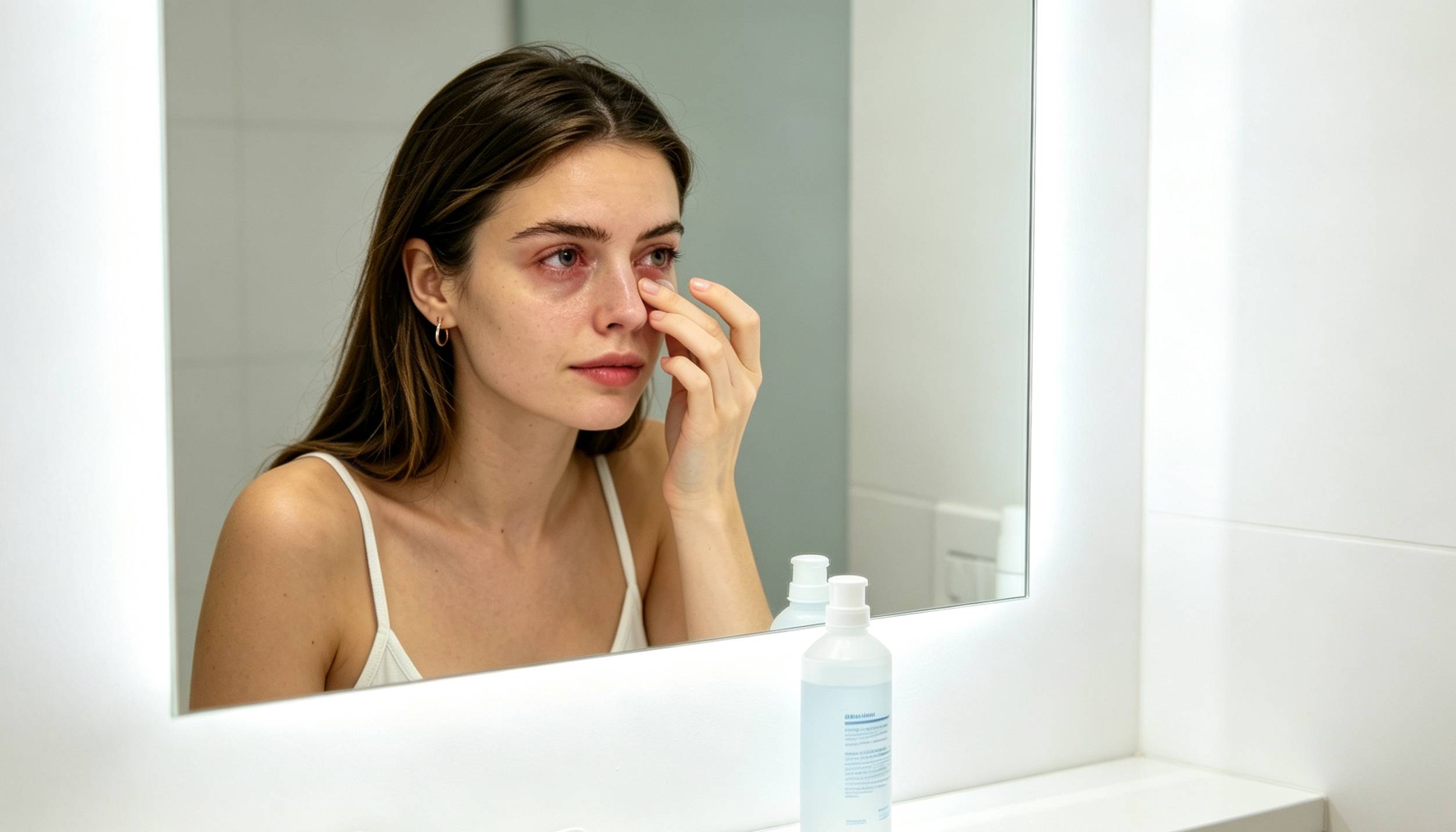
Your eyes rely on a thin layer of tears, known as the tear film, to keep the surface of your eyes moist and comfortable. Contact lenses sit directly on this surface, so changes in tear stability can affect how they feel.
As the day goes on, factors such as prolonged visual tasks and reduced blinking can make moisture evaporate more quickly. When the tear film becomes less stable, your lenses may begin to feel dry or less comfortable.
This is one reason your contacts can feel fine when you first put them in but become more noticeable several hours later.
2. Long Wearing Hours Can Make Contacts Feel Less Comfortable
The longer you wear contact lenses, the longer your eyes and lenses need to maintain a comfortable environment.
Over several hours, the surface of a lens can become less well hydrated, while normal substances from your tears can accumulate on the lens surface. Your eyes may also simply become more tired as the day progresses.
This doesn't necessarily mean that your contact lenses are unsuitable. However, if discomfort consistently appears after a certain number of hours, it may be worth looking at your wearing time and lens choice.
3. Your Contact Lens Material Can Affect Comfort
Not all contact lenses are made the same way. Factors such as lens material, water content, oxygen permeability, lens thickness, and surface design can all influence how a lens feels throughout the day.
For people who experience dryness toward the end of the day, choosing a lens designed with comfort in mind can be worth considering. A lightweight and flexible material, for example, can help create a more comfortable wearing experience.
If you're looking for a daily disposable option, Clalen 1-Day Contact Lenses are made with HEMA material, flexible, and durable. They have a 55% water content and are designed for daily replacement, making them a convenient option for people who prefer a fresh pair each day.
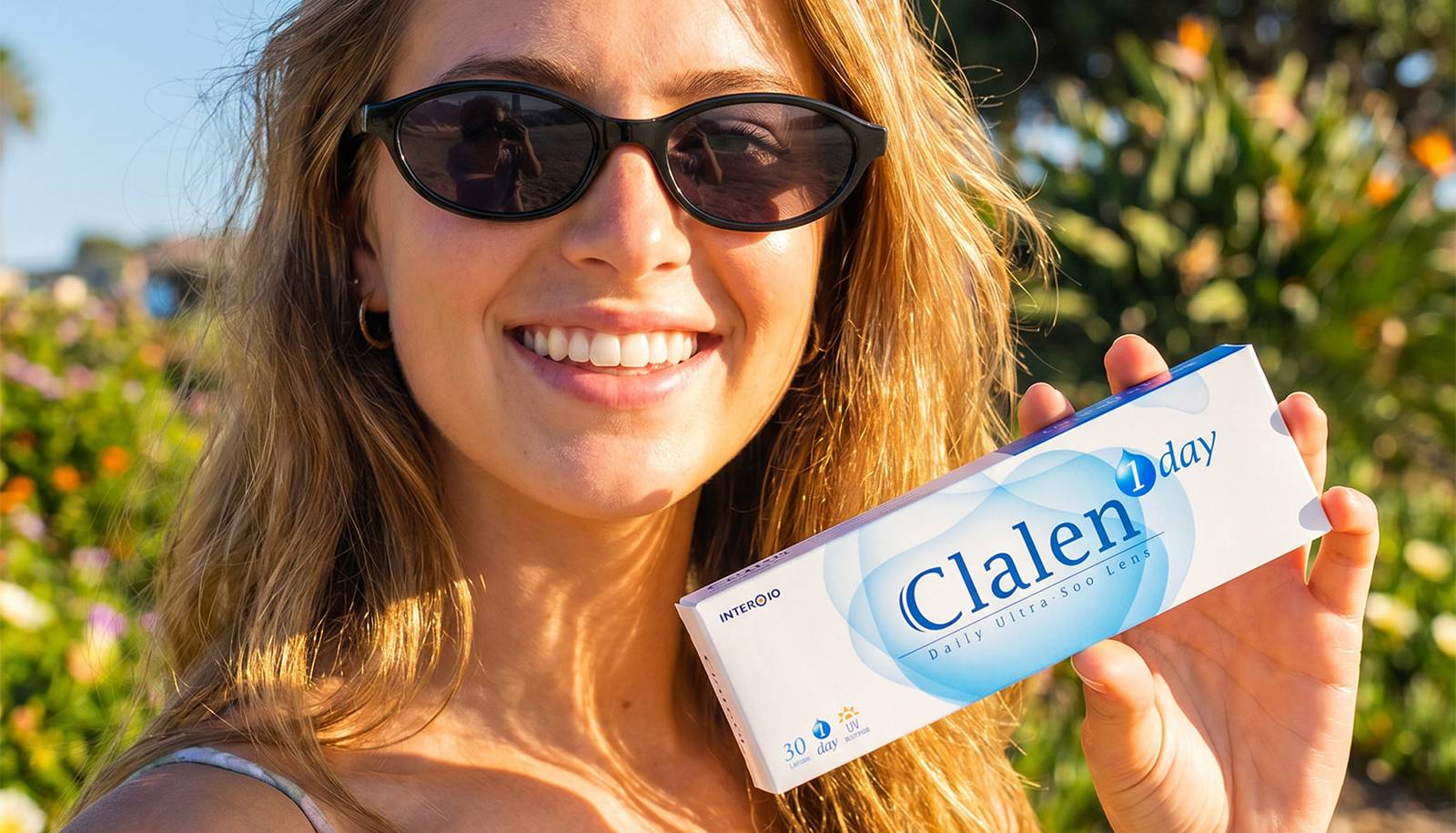
A daily lens can also simplify your routine because you start each day with a fresh pair rather than storing and reusing lenses.
4. Your Environment May Be Drying Out Your Contacts
Sometimes, the problem isn't your contact lenses at all. It's where you spend your day.
Air conditioning, heating, fans, wind, and low-humidity environments can all contribute to faster moisture evaporation from the surface of your eyes.
For example, you might feel comfortable wearing contacts at home but notice more dryness after spending eight hours in an air-conditioned office.
Your surroundings can make a bigger difference than you might expect.
| Environment | Why It May Affect Comfort |
Air-conditioned rooms | Lower humidity may increase moisture evaporation |
Heated indoor spaces | Dry air can make eyes feel less comfortable |
Windy environments | Air movement can increase tear evaporation |
Long hours in an office | Often combined with prolonged screen use |
5. Screen Time May Make End-of-Day Dryness More Noticeable
If you spend most of your day looking at a computer, phone, or tablet, your screen habits may also contribute to contact lens discomfort.
When concentrating on a screen, people tend to blink less frequently or incompletely. Less frequent blinking means the tear film may not be spread across the eye as regularly.
After several hours, this can make dryness and eye fatigue more noticeable — especially when you're already wearing contact lenses.
So if your contacts always start feeling uncomfortable after a long workday, your screen habits may be part of the picture.
How Can You Make Contact Lenses More Comfortable Throughout the Day?
There isn't one solution that works for every contact lens wearer. Instead, think about your lens, wearing time, environment, and daily habits together.
If you know that your eyes become uncomfortable after many hours, avoid pushing through significant discomfort simply because you planned to wear your lenses all day. Giving your eyes a break and switching to glasses when needed can be a simple way to make your routine more comfortable.

Your environment matters too. If you're spending hours in air conditioning or in front of a screen, taking regular breaks and being mindful of blinking may help reduce discomfort.
Most importantly, make sure you're using your contact lenses according to their recommended wearing and replacement schedule. If dryness happens regularly even when you're following proper care and wearing instructions, talk with an eye care professional about whether another lens type may be a better fit for you.
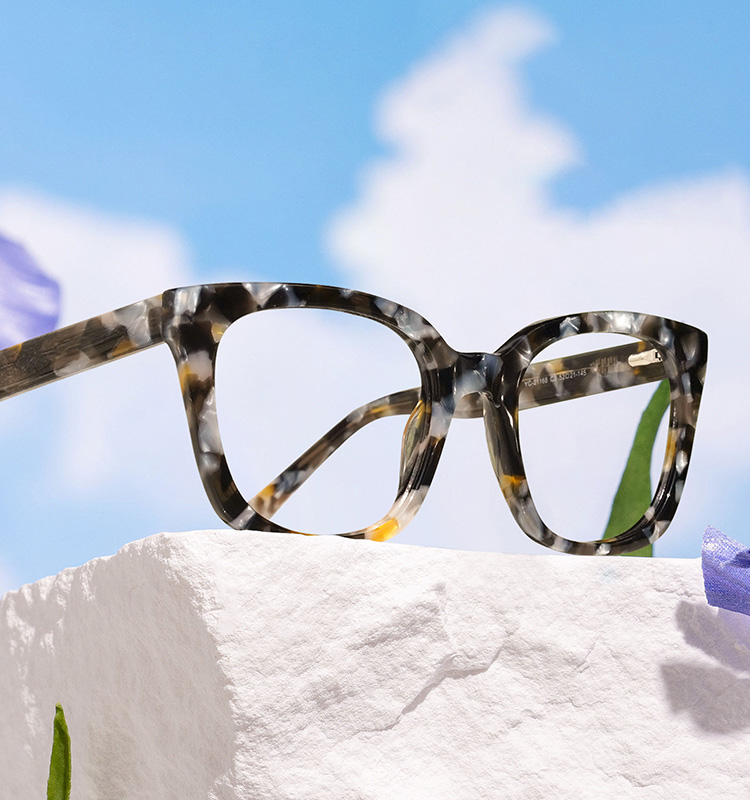
Why Having a Pair of Glasses Can Still Be Useful
Contact lenses are convenient, but they don't have to be your only eyewear option.
There may be times when your eyes simply need a break from contacts — after a long day at work, while relaxing at home, or when your eyes feel tired or dry.
That's when having a comfortable pair of prescription glasses can make your routine more flexible.
You don't necessarily have to choose between glasses and contact lenses. Many people use both, depending on the day, activity, or how their eyes feel.
A lightweight pair of glasses can be especially useful as a backup when you decide it's time to take your contacts out.
When Should You Consider Changing Your Contact Lenses?
Occasional dryness doesn't necessarily mean you need to change your contact lenses.
However, if your lenses consistently become uncomfortable after only a few hours, or if dryness and irritation happen frequently despite following proper wearing and care instructions, it may be worth discussing your options with an eye care professional.
Your lens material, fit, prescription, wearing schedule, or daily environment could all be relevant.
The goal isn't simply to find a lens that feels comfortable for the first few minutes. Ideally, your contact lenses should fit into your daily routine without becoming a constant source of discomfort.
FAQs
Q1: Why are my contact lenses comfortable in the morning but dry at night?
Your eyes and lenses are exposed to several factors throughout the day, including long wearing hours, screen use, dry environments, and reduced blinking. These can make dryness more noticeable later in the day.
Q2: Can staring at a computer make contact lenses feel dry?
It can. Concentrating on a screen may reduce how often you blink, which can affect the stability of the tear film and make your eyes feel drier or more tired.
Q3: Are high-water-content contact lenses always more comfortable?
Not necessarily. Contact lens comfort depends on multiple factors, including the lens material, design, fit, your eyes, and how long you wear the lenses. Higher water content alone doesn't guarantee better all-day comfort.
Q4: Should I take my contact lenses out if my eyes feel dry?
If your contacts are becoming noticeably uncomfortable, giving your eyes a break and switching to glasses may be more comfortable. Persistent or significant discomfort should be discussed with an eye care professional.
Final Thoughts: Comfort Can Change Throughout the Day
Contact lenses can feel completely different at 9 a.m. than they do at 7 p.m.
Long wearing hours, screen time, dry environments, your tear film, and the characteristics of your lenses can all influence how comfortable they feel.
If your contacts regularly become dry toward the end of the day, paying attention to when the discomfort starts and what you're doing at the time can help you understand what's contributing to it.
And remember, wearing contact lenses doesn't mean you have to give up glasses. Sometimes, the most comfortable solution is simply having the flexibility to switch between the two.